
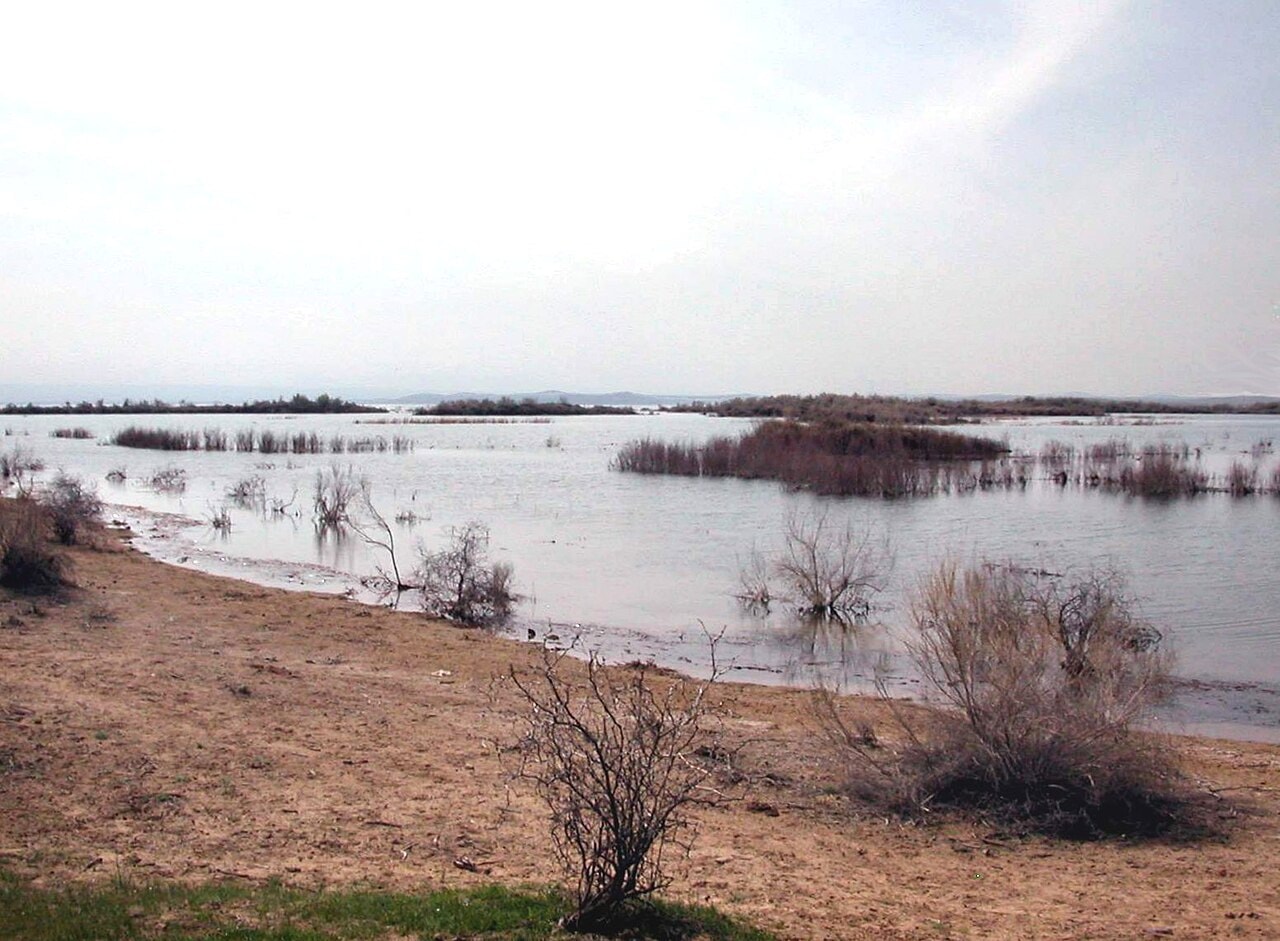
Nurata & Aydarkul Yurt Stay
Between the monuments of Samarkand and the emptiness of the Kyzylkum lies a different Uzbekistan.
- Tashkent → Samarkand → Nurata …
- Departs: Mon, 23 Nov 2026
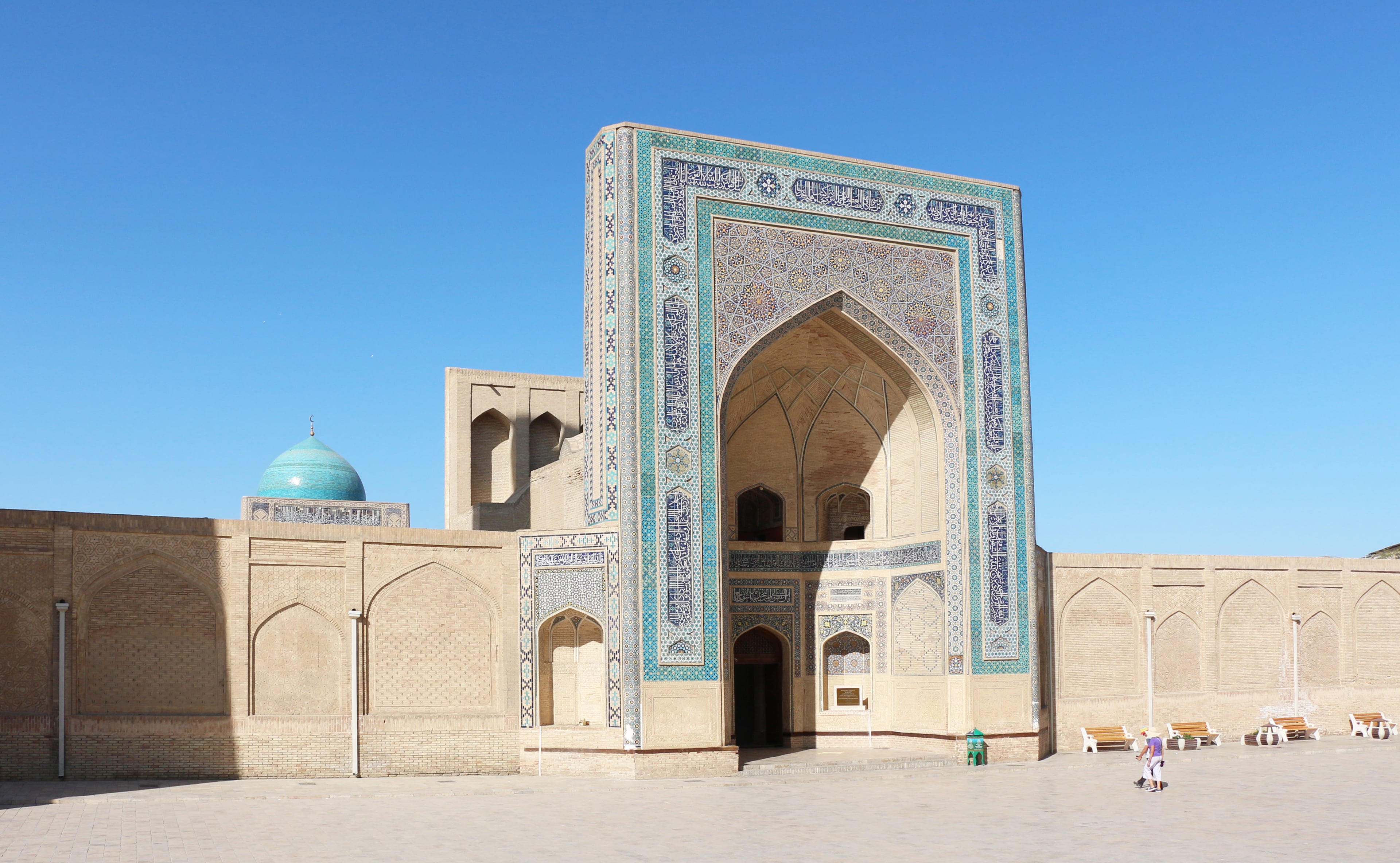
Naseem’s Travel · Uzbekistan
Between the monuments of Samarkand and the emptiness of the Kyzylkum lies a different Uzbekistan.
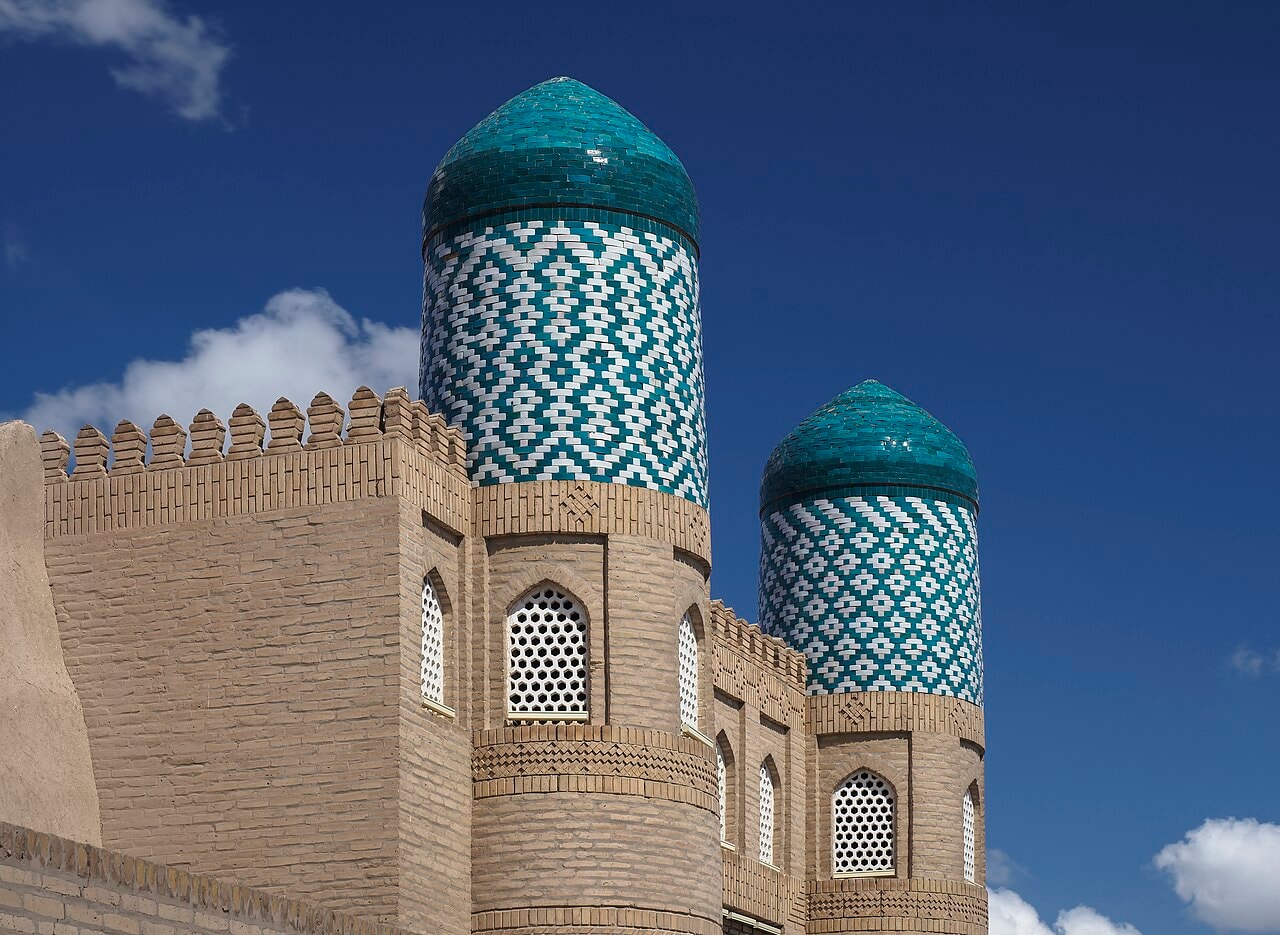
A photographer's dream — every street, mosque and minaret a perfect frame. Khiva's inner town, Ichan-Kala, is a walled medieval city that people still live in, a maze of clay alleys, carved doors and tiled minarets enclosed by ramparts you can walk along at sunrise and sunset.
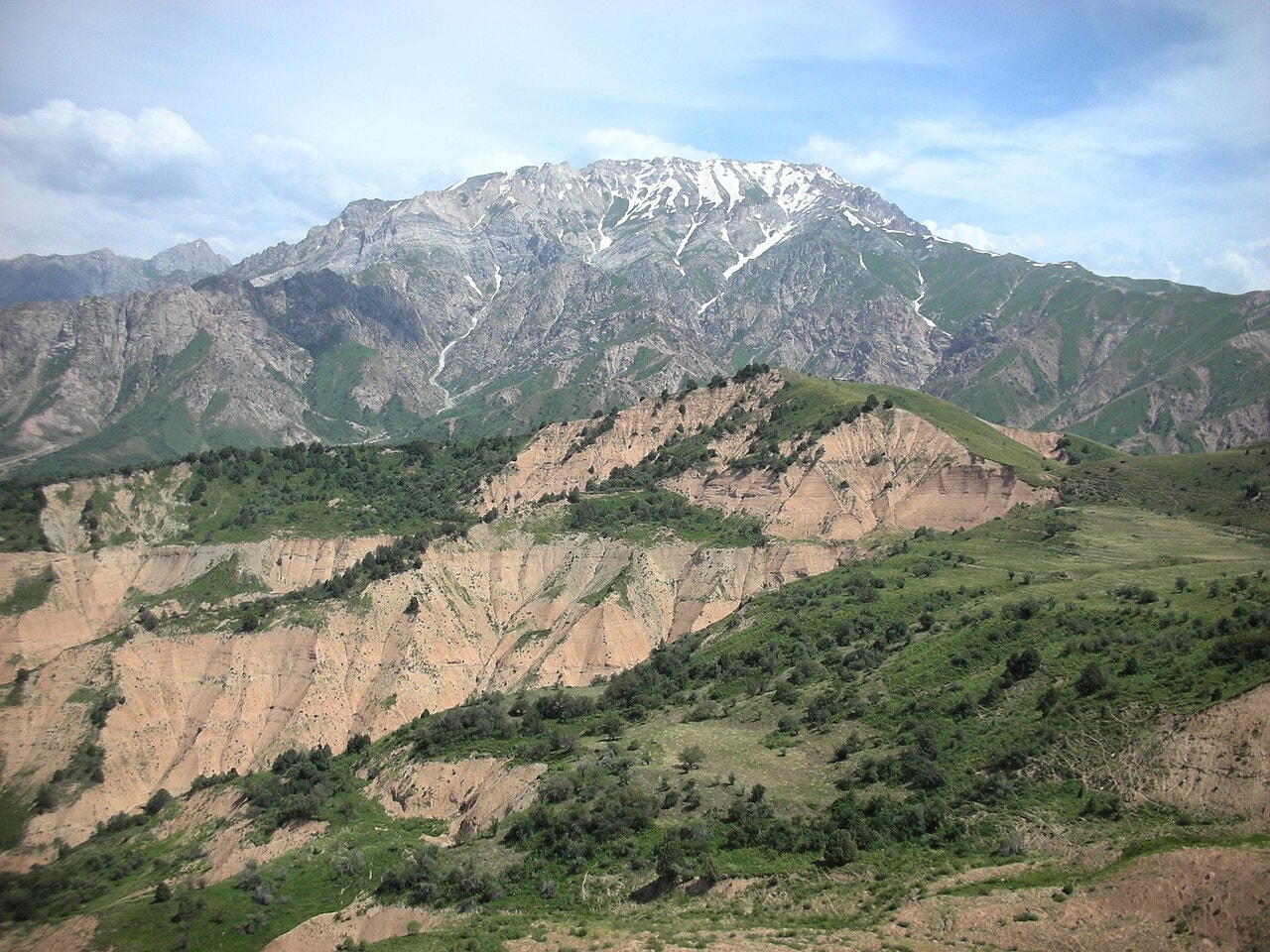
Escape to the alpine peaks and turquoise reservoir near Tashkent. Barely two hours of driving separates the capital from the western Tian Shan, where straight highway gives way to serpentine roads climbing past the Charvak Reservoir into juniper-covered foothills and the bare grey ridges above them.
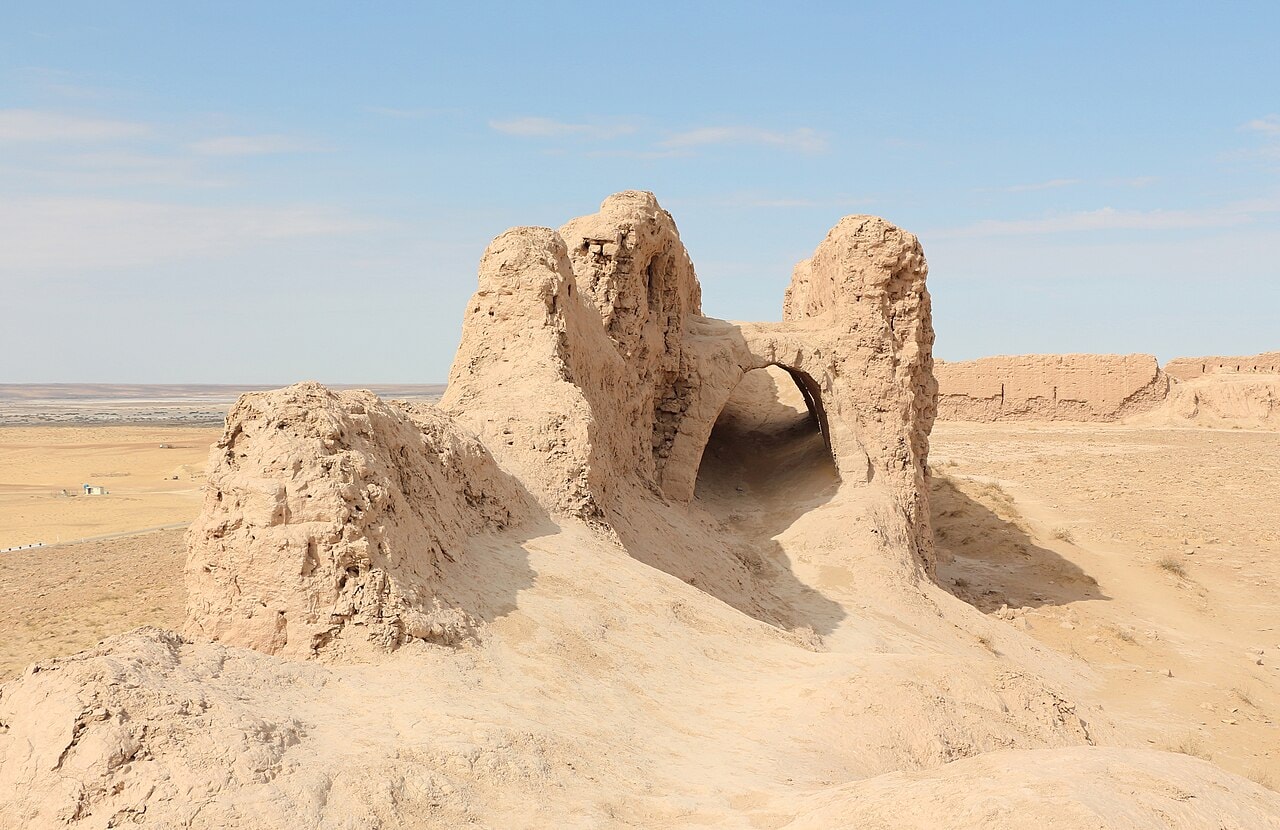
Two-thousand-year-old mud fortresses of ancient Khorezm, Khiva's living museum and a night in a desert yurt. This is the quieter side of Uzbekistan: the Kyzylkum fringe north of Khiva is scattered with the eroded walls of Kushan-era citadels that almost nobody visits, and you have them largely to yourself.
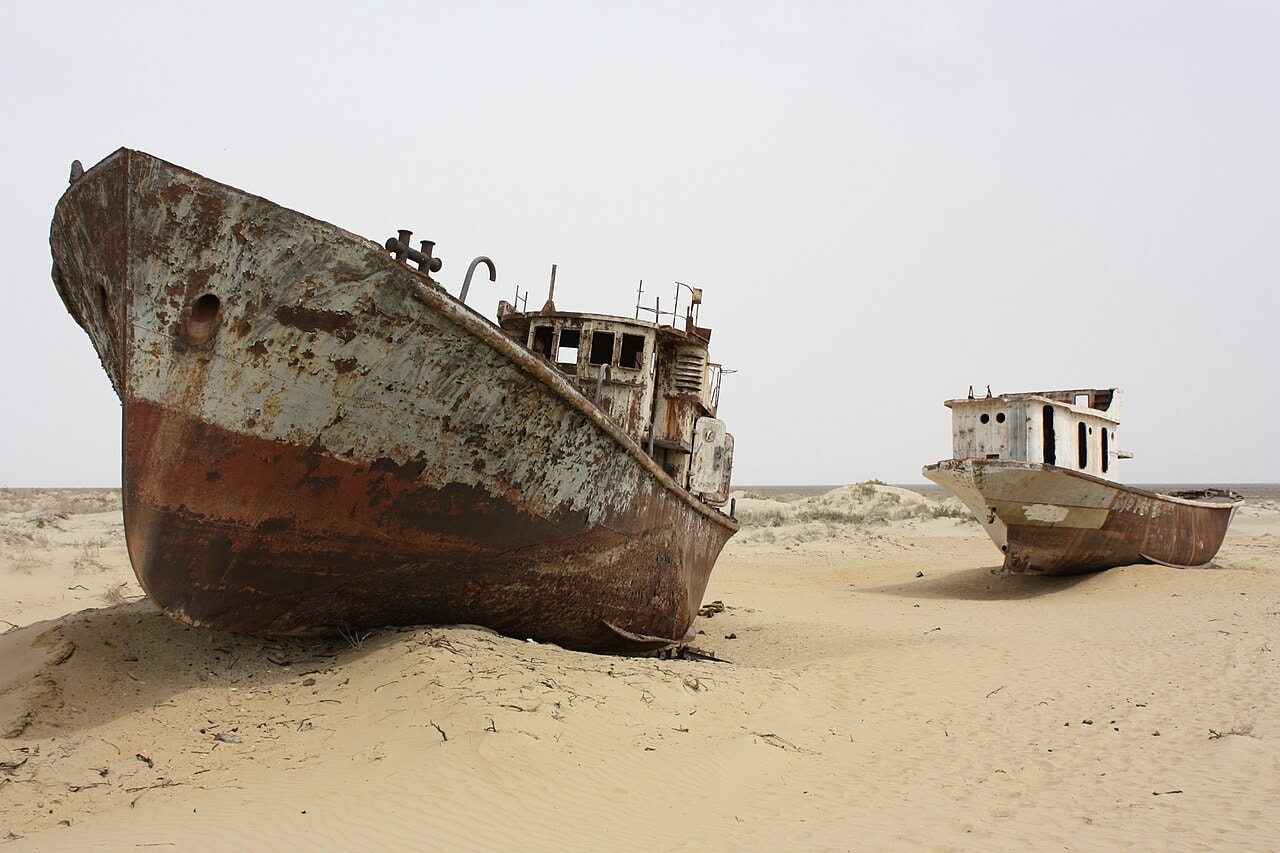
The haunting ship graveyard of Moynaq, the Ustyurt canyons and Nukus's world-famous Savitsky avant-garde museum.
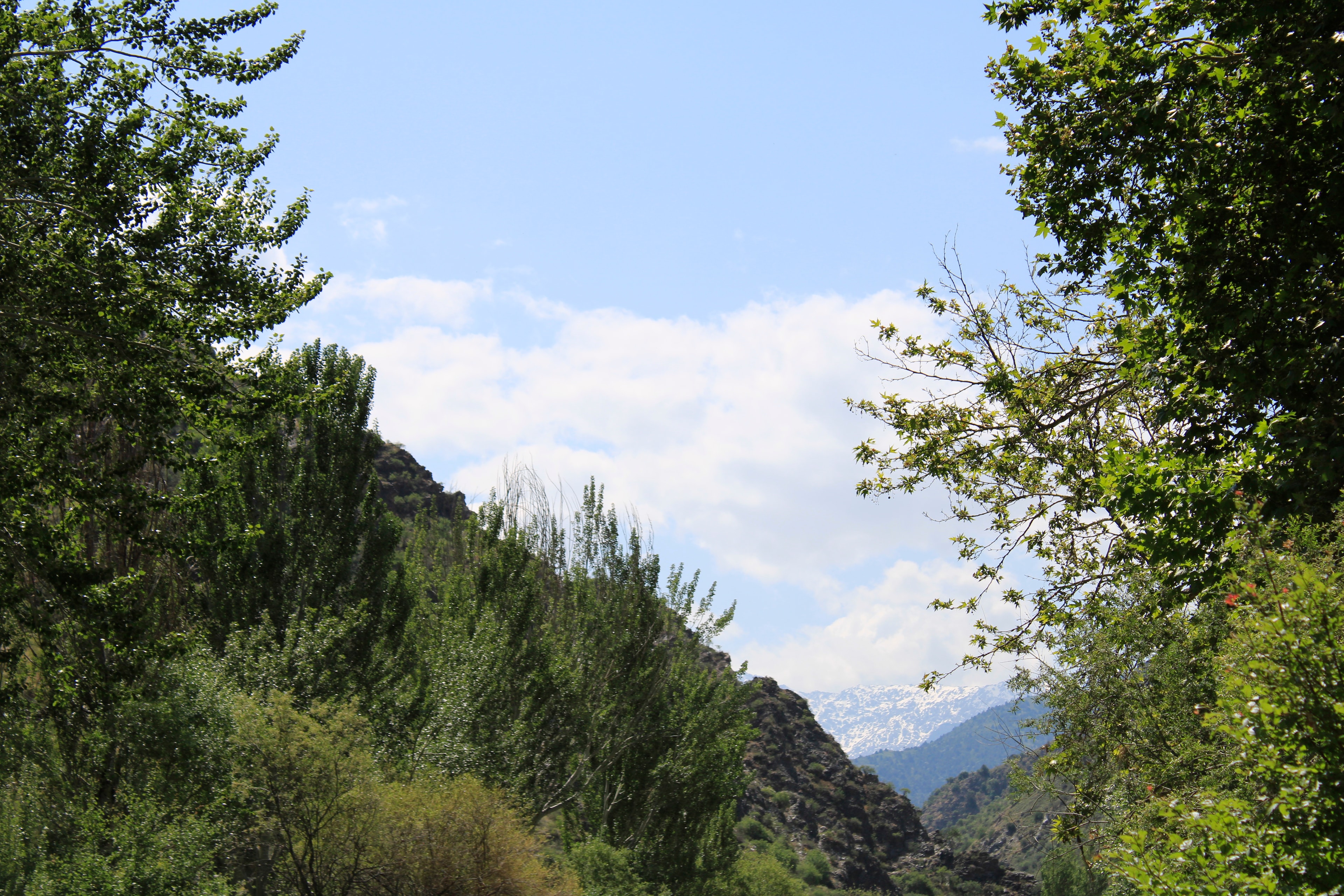
Crisp mountain air, juniper forests and star-filled skies in Uzbekistan's oldest national park. Zaamin sits high in the Turkestan range in Jizzakh region and is often called the Uzbek Switzerland, a landscape of archa juniper, mineral springs and open plateaus that feels a long way from the desert cities.
Cable cars over the western Tian Shan, alpine lunches above Charvak's turquoise reservoir and long, clear views back towards the Chatkal ridge — this is Uzbekistan's mountain side, and it works in every season. Snow and gondolas from December to March, wildflower meadows and warm reservoir water from May onwards.
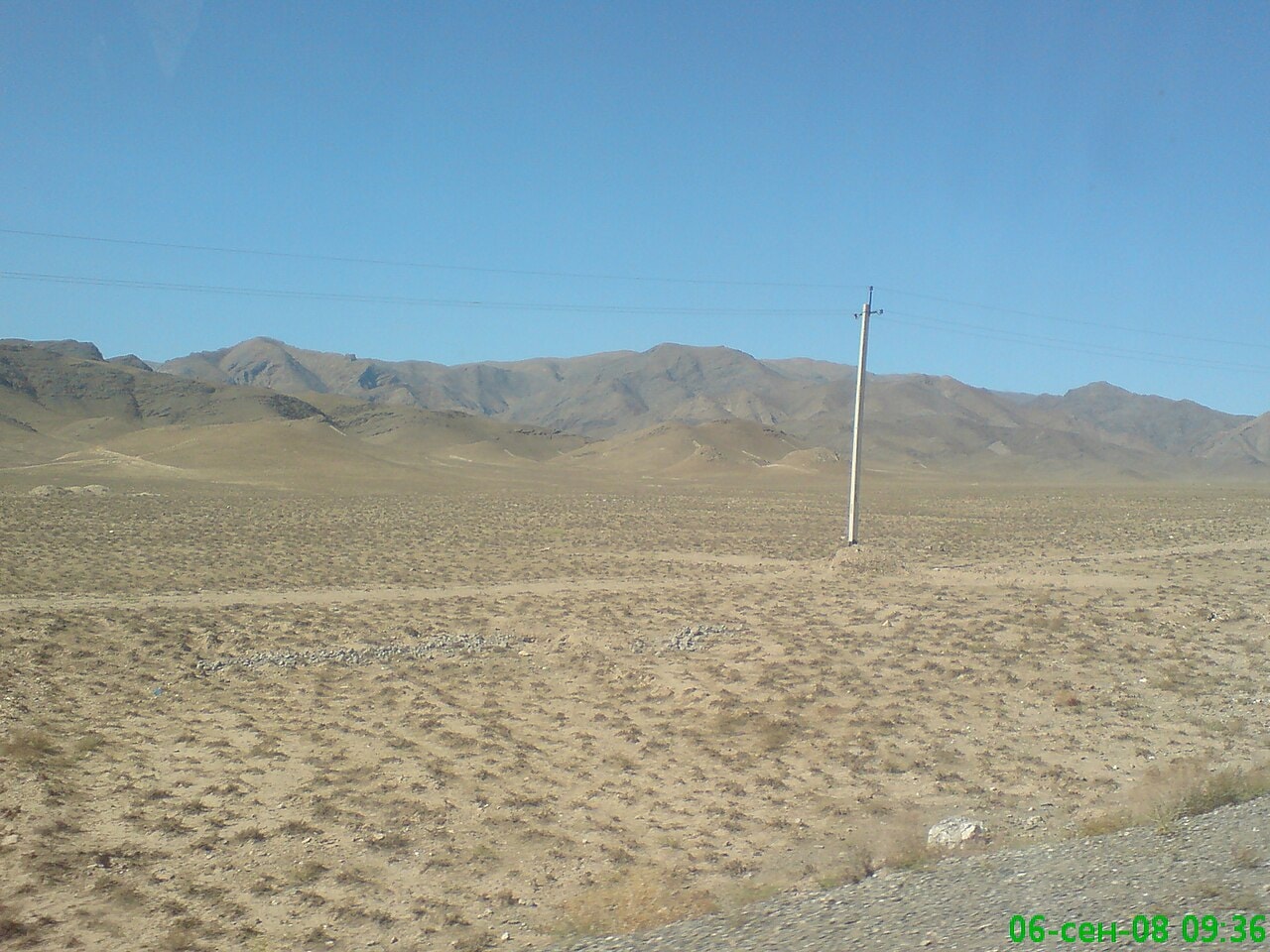
The Nuratau range is the fold of hills between the Kyzylkum desert and the Samarkand road, and people have farmed its walnut-shaded valleys since the time of Alexander.
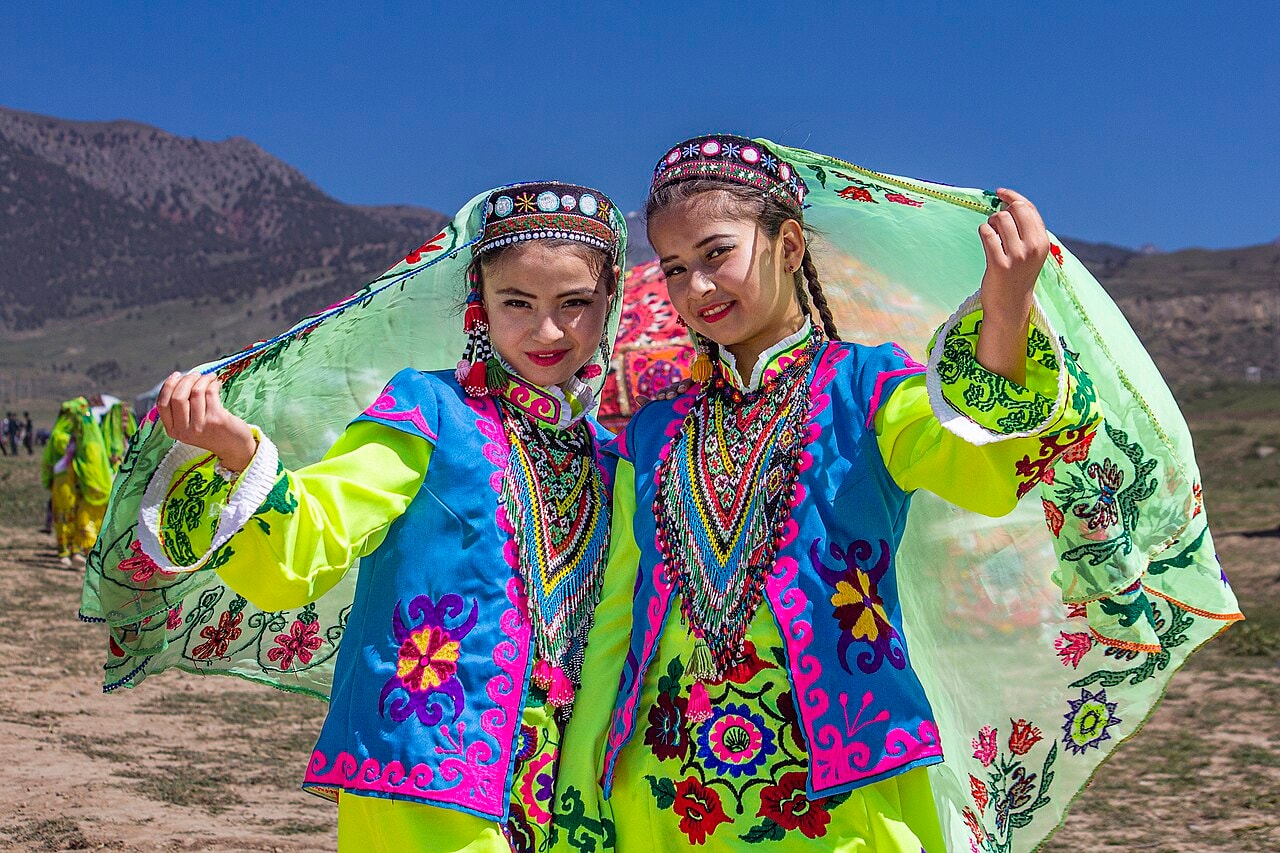
Surkhandarya is the deep south of Uzbekistan, a province of cotton fields, Bactrian ruins and mountain villages tucked under the Hissar range. Its heartland is Boysun, whose songs, embroidery and spring rituals were among the first traditions anywhere recognised by UNESCO as a masterpiece of intangible heritage.
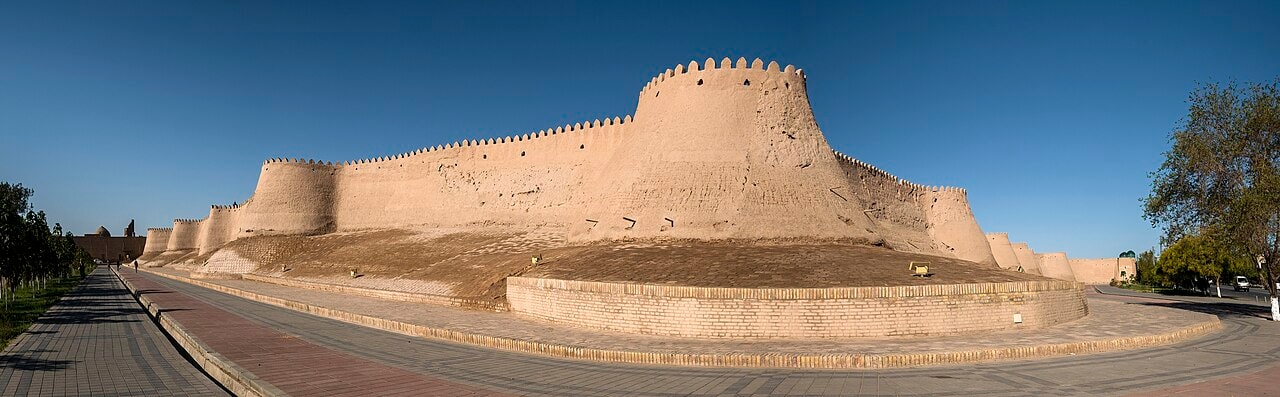
The full sweep of Uzbekistan in twelve days, taken from west to east so that the country opens up gradually: the capital first, then the Savitsky collection in Nukus, the clay fortresses of ancient Khorezm, the walled town of Khiva, the trade domes of Bukhara, a yurt camp in the Kyzylkum and finally the great Timurid…
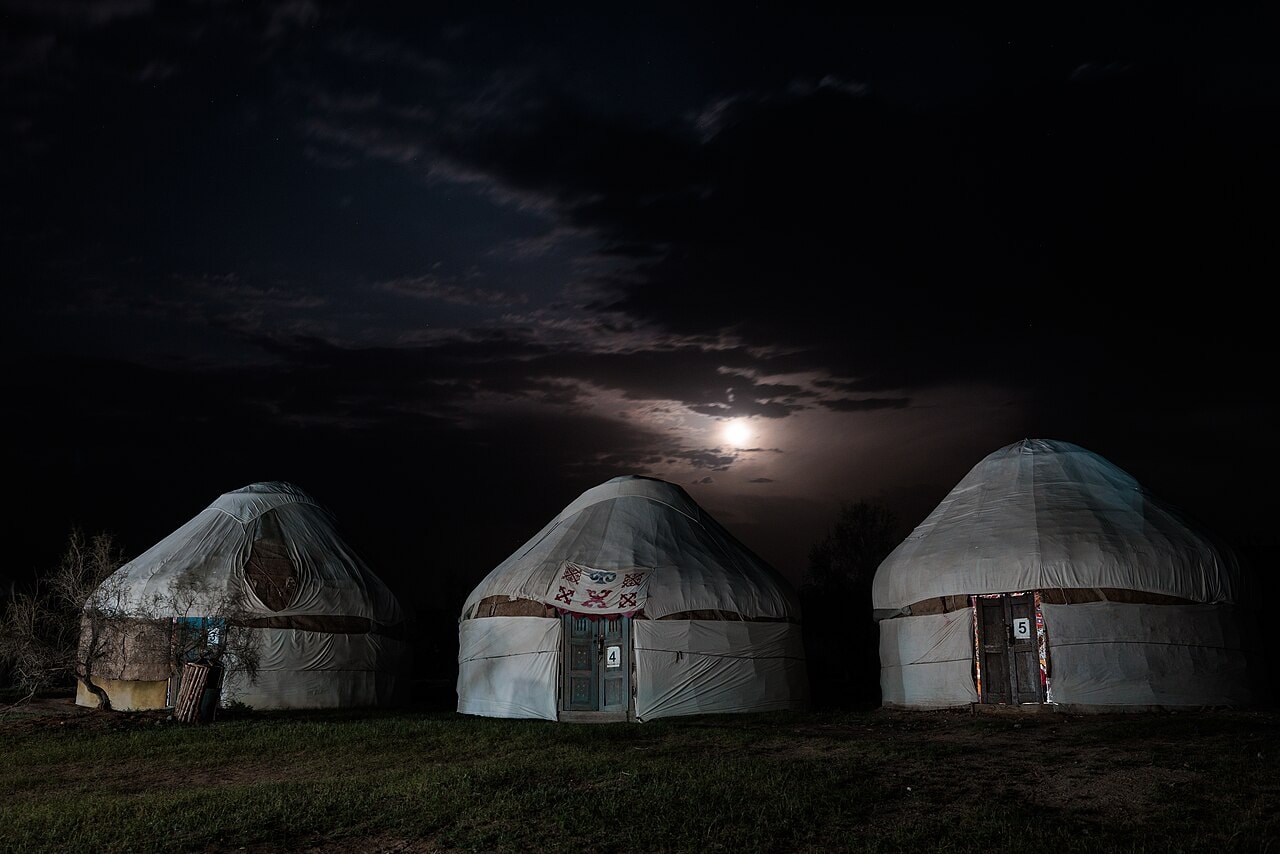
Fifteen days off the asphalt — Kyzylkum desert crossings, Aral shores, mountain passes and the Silk Road cities in between. The vehicles are what make the route possible: the Ustyurt Plateau, the dried seabed north of Moynaq and the tracks into the Nurata Mountains are simply not reachable by coach.
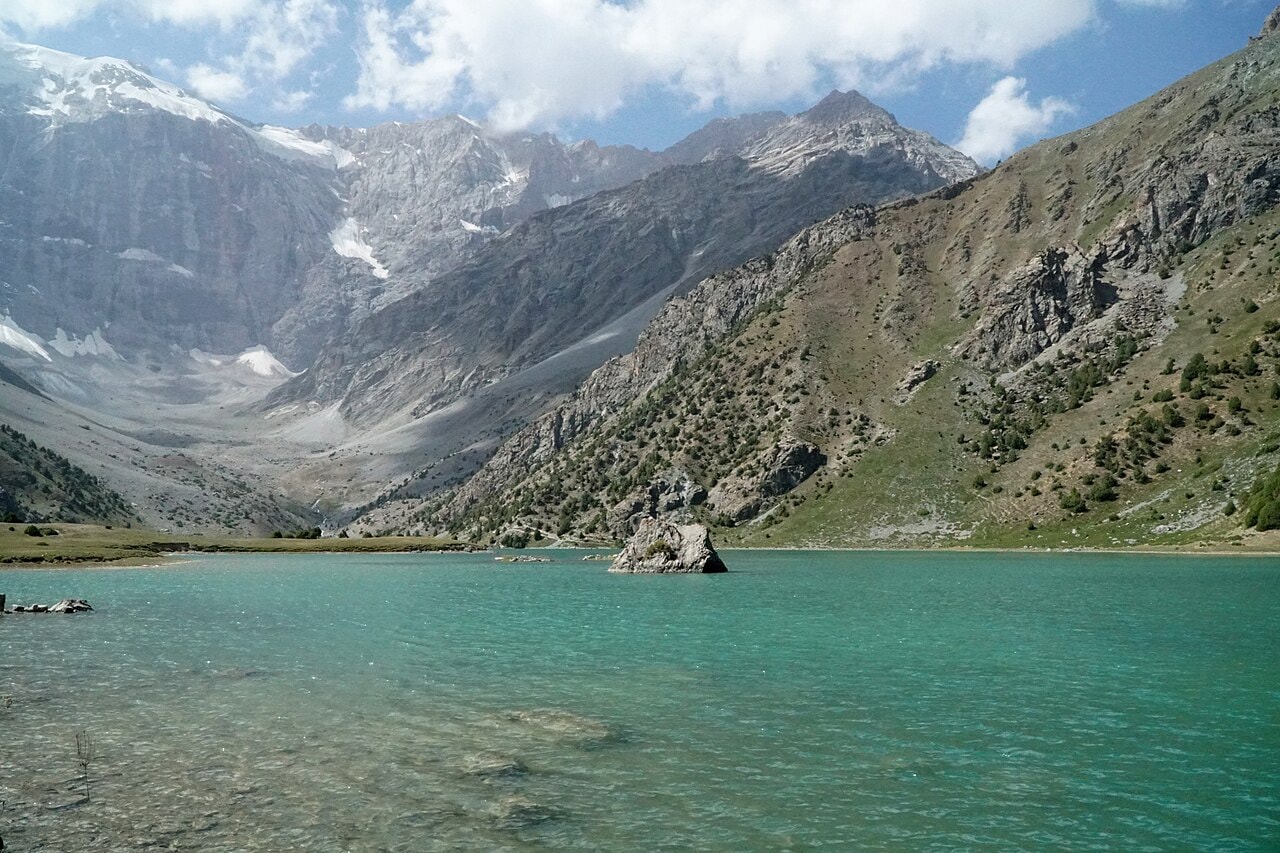
Samarkand sits closer to the mountains than most visitors realise.